Inle Lake:
Myanmar’s Most Magical Destination
Complete 2026 Travel Guide
“Where fishermen balance on one leg, farmers grow gardens on water, and the world slows down to the rhythm of a wooden paddle.”
📍 Inle Lake at a Glance
Location
Shan State, Myanmar
880m above sea level
Lake Size
~116 km² surface area
~22 km long, 10 km wide
Nearest Airport
Heho Airport (HEH)
~45 min to Nyaungshwe
Climate
Cool & pleasant year-round
17–28°C (cooler Nov–Feb)
Best Time
Oct – Feb for festival
& clearest skies
Festival Dates
Phaung Daw Oo Festival
Oct 2026 & Oct 2027
Daily Budget
$25–40 (budget)
$80–200+ (mid/luxury)
Transport on Lake
Longtail boat (main)
From ~$15–20/day
✨ Why Inle Lake Belongs on Every Traveller’s 2026 List
There are destinations you visit and forget. And then there are places that quietly rearrange your understanding of what a journey can be. Inle Lake is the second kind.
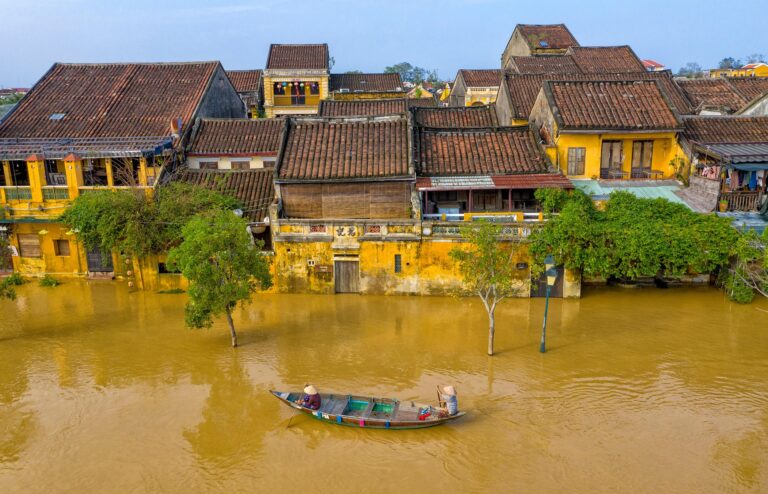
Imagine waking before dawn in a stilted wooden guesthouse, the lake still as mercury beneath a violet sky. You step onto a narrow longtail boat and glide silently past a fisherman balanced impossibly on one leg at the stern of his canoe, his conical net poised mid-air above the water — a sight so ancient, so perfectly composed, it looks like a painting that forgot it was real.
That image — the Intha leg-rowing fisherman — has become the iconic symbol of Myanmar travel for good reason. But Inle Lake is so much more than a photograph. It’s a living ecosystem of floating gardens that produce tomatoes, flowers, and beans on rafts of water hyacinth. It’s 17 distinct villages built entirely on stilts over water. It’s five golden Buddhas travelling the lake by royal barge once a year while tens of thousands of people watch from decorated boats. It’s handwoven lotus silk, silver workshops, cheroot cigar factories, and Burmese cats sitting imperiously in lakeside monasteries.
In 2026, as Myanmar’s Shan State remains relatively accessible to international visitors, Inle Lake occupies a rare position: extraordinary enough to be on every “places to visit before you die” list, yet still intimate enough to feel like a discovery.
🪔 The Phaung Daw Oo Pagoda Festival 2026 & 2027
If there is one event in all of Southeast Asia that makes experienced travellers rearrange their entire itinerary, it is the Phaung Daw Oo Pagoda Festival — Myanmar’s grandest, most spectacular, and most deeply spiritual annual water festival.
What Is the Phaung Daw Oo Festival?
Held every year in the Burmese month of Thadingyut (September–October by the Western calendar), the festival celebrates five sacred Buddha images enshrined in the Phaung Daw Oo Pagoda on the western shore of Inle Lake. These five Buddhas — so heavily gilded over centuries of gold leaf donations that they resemble golden balls more than statues — are placed on a magnificent royal barge shaped like a mythical Karaweik bird and paraded around the entire lake over 18 days.
The barge, ornately decorated in gold and red lacquer and propelled by teams of hundreds of leg-rowing Intha men in choreographed unison, travels from village to village across the lake. Each village receives the sacred images for a night of ceremony, prayer, offering, and celebration. The final days of the festival draw tens of thousands of pilgrims and visitors from across Myanmar and beyond.
📅 Festival Dates 2026 & 2027
The festival follows the Burmese lunar calendar. Approximate dates (confirm closer to travel):
- 2026
OctPhaung Daw Oo Festival 2026 — approx. October 5–22, 202618-day festival. The final 3–5 days are the most spectacular. Book accommodation 3–4 months in advance — rooms sell out completely during peak festival days.
- 2027
Sep–OctPhaung Daw Oo Festival 2027 — approx. September 24 – October 11, 2027Lunar calendar shifts the festival slightly earlier in 2027. Same extraordinary experience — plan 5–7 days to witness the full arc of ceremonies.
- Best DaysFinal 3–5 Days: The Grand Return to Phaung Daw Oo Pagoda
The climax of the festival — when hundreds of longboats decorated with flowers, lanterns, and fabric escort the royal barge back to its home pagoda in a flotilla of breathtaking colour and sound. This is one of the most photographically extraordinary spectacles in all of Asia.
- EveningNight Illuminations & Lantern Processions
After dark, the lake glows. Oil lamps and LED lights line every stilted walkway. Pilgrims release paper lanterns that drift skyward over the water. The combination of firelight, starlight, and water reflection is surreal.
🎯 Top Things to Do at Inle Lake in 2026
- 1Hire a Longtail Boat for a Full-Day Lake Exploration
The essential Inle experience. A longtail boat and driver for the day costs $15–25 and takes you across the open lake to floating gardens, stilted villages, pagodas, and workshops. Go early — the morning mist on the water is ethereal and dissipates by 9am. This is the day that makes people plan to come back.
- 2Visit Phaung Daw Oo Pagoda
The spiritual heart of Inle Lake. Home to the five celebrated gold-encrusted Buddha images at the centre of the annual festival. The pagoda sits on the lake’s western shore and is reachable only by boat. Even outside festival season, the atmosphere inside — thick with incense, candlelight, and devotion — is profoundly moving.
- 3Watch Leg-Rowing Fishermen at Sunrise
The Intha people developed a unique technique of wrapping one leg around a wooden oar to propel their flat-bottomed boats — freeing both hands to work their conical fishing nets. Witnessing this at dawn, silhouetted against a pink sky, is one of those rare travel moments that exceeds even the photographs you’ve already seen.
- 4Explore the Floating Gardens
The Intha have created an entirely man-made agricultural ecosystem on the lake — tomatoes, lotus flowers, beans, and cucumbers grown on rectangular rafts of water hyacinth and lake sediment anchored to the lakebed with bamboo stakes. Boat through the garden channels in the morning and meet the farmers tending their unique plots.
- 5Nga Hpe Kyaung (Jumping Cat Monastery)
A beloved 200-year-old teak monastery built on stilts over the lake, once famous for resident cats trained by monks to leap through hoops. The cats are gone now, but the monastery’s ancient Buddha images, red lacquered columns, and serene monks make it one of the most photogenic spots on the lake. Go at morning light.
- 6Discover Indein Village & Shwe Indein Pagoda Complex
A short boat ride to the southwestern end of the lake leads to Indein Village, where a covered stairway winds up through jungle to reveal hundreds of crumbling, moss-covered ancient stupas — an archaeological wonder utterly unlike anything else in Southeast Asia. Many remain unrestored. Walking between them as vines crack the stone is one of the most atmospheric experiences in Myanmar.
- 7Visit a Lotus Silk Weaving Workshop
One of the world’s rarest textiles is made here. Artisans harvest lotus flower stems, extract the hair-thin fibres by hand, spin them into thread, and weave them into shimmering, impossibly soft fabric. Watching this process — and understanding that a single lotus scarf requires thousands of stems — is genuinely extraordinary. Several lakeside workshops welcome visitors.
- 8Trek from Kalaw to Inle Lake (2–3 Days)
One of Myanmar’s greatest trekking experiences: a 2 or 3-day guided walk from the hill town of Kalaw through Shan and Pa-O tribal villages, forested ridges, and terraced farmland — arriving at Inle Lake by foot with a deep sense of arrival. Guides, accommodation, and all meals included for around $40–60 per person per day. The final descent to the lake at sunset is unforgettable.
- 9Explore Nyaungshwe Town & the 5-Day Rotating Market
The gateway town to Inle Lake is charming, walkable, and full of good restaurants and excellent coffee shops. Every five days, the Inle Lake area hosts a rotating market where Pa-O, Danu, Taungyo, and Intha hill tribe people descend with produce, handicrafts, and livestock — a riot of colour and commerce that’s been happening for centuries.
- 10Sunset by Boat on the Open Lake
As the sun drops behind the Shan Hills at around 5:30pm, the lake surface turns liquid copper. Ask your longtail boat driver to position you in the middle of the lake — away from any shore — and simply watch. No filters needed. No editing required. This is the most photographed and most genuinely earned sunset in Myanmar.
📅 Best Time to Visit Inle Lake
| Season | Months | Weather | Highlights |
|---|---|---|---|
| 🏆 Peak + Festival | Oct – Nov | Clear, cool, 18–26°C | Phaung Daw Oo Festival, post-rain greenery, crystal water |
| ❄️ Cool Dry Season | Nov – Feb | Cool, sunny, some cold mornings 13–26°C | Best trekking, clearest visibility, most comfortable days |
| 🌤️ Hot Dry Season | Mar – May | Hotter, 22–32°C, hazy | Fewer tourists, lower prices, blooming lotus flowers |
| 🌧️ Monsoon | Jun – Sep | Heavy rain, lush green, 19–28°C | Dramatic scenery, lowest prices, festival build-up in Sep |
🗓️ Suggested Inle Lake Itinerary (5 Days)
Arrive in Nyaungshwe | Explore the Town
Fly into Heho Airport and transfer to Nyaungshwe (~45 min). Check in, walk the town canals, visit the central market, and eat dinner at a lakeside restaurant. Early night — tomorrow starts before dawn.
Full-Day Longtail Boat Tour of the Lake
On the water by 6am for the mist and the fishermen. Visit floating gardens, Nga Hpe Kyaung monastery, lotus silk workshop, silver smiths, cheroot cigar factory, and Phaung Daw Oo Pagoda. Sunset from the middle of the open lake.
Indein Village & Shwe Indein Stupas
Boat to the southwest shore, walk the covered stairway to the ancient stupa field at Shwe Indein. Explore the ruins — allow 2–3 hours. Lunch in Indein village. Afternoon at leisure on the lake or exploring Nyaungshwe’s cafés and wine bar.
Day Trip to Kakku Pagoda Complex (Shan State)
Hire a car for the day to visit Kakku — a remarkable field of over 2,400 ancient stupas draped in wind chimes, set in open farmland. Permission required (Pa-O guides arrange on-site). A 2.5–3 hour drive each way — worth every minute. Return for a final sunset on the lake.
Morning Kayak | Depart
Rent a kayak for a final 2-hour paddle through the quieter northern channels before checkout. Transfer to Heho Airport for onward journey — or extend to nearby Kalaw for the trek back if you haven’t done it yet.
✈️ How to Get to Inle Lake in 2026
By Air (Recommended)
Fly from Yangon (RGN) or Mandalay (MDL) to Heho Airport (HEH) — the journey takes 50–70 minutes. Several domestic airlines operate this route including Myanmar National Airlines, and Myanmar Airways International. Book domestic flights as early as possible; Heho routes are popular and fill up, especially during festival season.
By Bus from Yangon
Overnight express buses depart Yangon for Nyaungshwe, taking approximately 10–12 hours. Comfortable, safe, and considerably cheaper than flying (~$12–20). A popular option for budget travelers or those enjoying Myanmar’s highway scenery.
By Bus from Mandalay
A 7–8 hour bus journey connects Mandalay to Nyaungshwe via the mountain road through Shan State. Offers beautiful highland scenery. Approximately $10–15 per person.
The Kalaw Trek (2–3 Days)
Begin in Kalaw and walk to Inle Lake over two or three days with a local guide. The most rewarding way to arrive — and one of Myanmar’s iconic travel experiences. See the Things To Do section above for details.
🏨 Where to Stay at Inle Lake in 2026
Accommodation falls into two main zones: Nyaungshwe Town (on land, close to restaurants and transport) and On-the-Lake Properties (stilted over the water, more expensive, unforgettable). During festival season, book both types 2–3 months ahead.
Nyaungshwe Guesthouses
Clean, friendly, and often family-run. Fan or A/C rooms, simple breakfasts, and excellent local knowledge from your hosts. The best budget stay is typically within walking distance of the main canal and boat jetties. Perfect for backpackers and solo travellers.
Lakeside Boutique Hotels
Well-appointed rooms with lake or garden views, pools, good restaurants, and tour desks. Many sit right on the canal edge in Nyaungshwe. Excellent value and the best balance of comfort, location, and price for most travellers in 2026.
Over-Water Lake Resorts
Stilted villa complexes built directly over the lake — some of the most atmospheric hotel experiences in all of Asia. Private balconies above the water, spa treatments, fine dining, and boat transfers to/from Nyaungshwe. The Inle Princess, Aureum Palace, and a handful of boutique properties lead this category.
🍜 Food at Inle Lake — What to Eat in 2026
Inle Lake has one of the best local food scenes in Myanmar — a combination of Shan State cuisine (lighter and more herb-driven than Burmese cooking), fresh lake fish, local vegetables from the floating gardens, and some surprisingly excellent coffee shops that have sprung up for the growing visitor community.
Must-eat dishes around Inle Lake: Shan-style noodles (khao swe) — rice noodles with a light, garlicky broth, a squeeze of lime, and crispy shallots — served for breakfast at virtually every local teahouse for under $1. Tofu nwe (soft Shan tofu) — made from yellow split peas rather than soy, with a silky texture and delicate flavour, eaten warm with oil, garlic, and chilli. Fresh lake fish — steamed, grilled, or fried — pulled from the same waters you’re floating on. And shan rice — whole grain glutinous rice wrapped in banana leaf parcels, eaten throughout the day as a snack.
Nyaungshwe town has a thriving café culture — Inle Organic and a cluster of independent coffee shops serve proper espresso and fresh pastries. The local Inle red wine (produced at the Red Mountain Estate vineyard just 7km from town, with panoramic lake views) is genuinely worth visiting for a tasting and sunset.
🧳 Essential Practical Tips for Inle Lake 2026
Currency & Cash: Myanmar Kyat is essential. Carry enough cash from Yangon or Mandalay — ATMs exist in Nyaungshwe but are unreliable. USD is accepted at most hotels and larger restaurants. Festival season sees higher demand for cash; over-prepare.
Layers Are Essential: Inle Lake sits at 880m altitude. Mornings on the boat can be surprisingly cold, especially November through February. Always bring a light jacket or shawl even if the midday temperature feels warm. Early morning boat rides without layers are a rookie mistake you’ll regret immediately.
Boat Hire Tips: Negotiate your boat price before departing. Agree the number of stops, departure time, and return time upfront. Most drivers are honest and helpful — a small tip at the end is appreciated. Always wear a life jacket if provided, especially during monsoon season when the lake can be rough.
Respect at Religious Sites: Remove shoes before entering any pagoda, temple, or monastery — without exception. Dress modestly (shoulders and knees covered). During the Phaung Daw Oo Festival, be a respectful observer, not just a photographer. Put the camera down occasionally and simply witness what is happening around you.
Environmental Responsibility: Inle Lake is an increasingly fragile ecosystem. The lake has faced significant challenges from agricultural runoff, invasive water hyacinth, and tourist footprint. Choose eco-conscious operators. Never litter from a boat. Avoid single-use plastic wherever possible. The lake needs its visitors to be responsible guests.
❓ Frequently Asked Questions — Inle Lake 2026
How many days do you need at Inle Lake?
A minimum of 3 nights allows a full lake day, the Indein stupas trip, and time to explore Nyaungshwe. Five to seven nights is ideal — especially during the Phaung Daw Oo Festival period, when you’ll want time to watch multiple ceremony days, do a day trip to Kakku, and add the Kalaw trek. Many travellers extend their stay spontaneously.
Is it worth visiting Inle Lake outside of the festival?
Absolutely yes. The floating villages, fishermen, floating gardens, Shwe Indein stupas, and lotus silk workshops are present year-round and are extraordinary in any month. The festival is a singular bonus — but Inle Lake is fully worth visiting without it. November through February offers the most consistently beautiful conditions.
Do I need a guide at Inle Lake?
A longtail boat driver (who often doubles as an informal guide) is essential for lake navigation. For deeper experiences — the Kalaw trek, Kakku pagoda, or the festival itself — a licensed local guide makes a significant difference. They provide context, access, and cultural interpretation that completely transforms what you see.
What is the best way to get from Bagan to Inle Lake?
The most popular Myanmar triangle is Yangon → Bagan → Inle Lake → Yangon. From Bagan, fly to Heho (~45 min, recommended) or take an overnight bus (~8–10 hours). The flight is scenic and cost-effective given travel time savings — book early as this route is popular.
Is the Phaung Daw Oo Festival open to foreign tourists?
Yes, the festival is fully open to visitors. There is no entry fee or permission required to watch from a hired boat on the lake. Respectful photography is generally welcomed. The pageantry is very much intended to be shared — the procession routes the royal barge around the entire lake specifically so all communities, and their guests, can participate in the blessing.
What is the Kalaw to Inle Lake trek like?
One of Myanmar’s best trekking experiences — typically 2 or 3 days, walking 15–25km per day through Shan highland villages with a licensed local guide. Moderate difficulty (some hills, no technical terrain). Accommodation in village homestays or small guesthouses. All meals included. The final arrival at Inle Lake by foot, descending through the hills to see the water for the first time, is genuinely moving.
Ready to Experience Inle Lake in 2026?
The fishermen are already out on the water. The festival barge is being prepared. The lake is waiting. Don’t let another year pass on a destination this extraordinary.
📩 Get Our Free Myanmar Inle Lake Travel Pack🌅 The Final Word on Inle Lake
There is a particular quality of light at Inle Lake in the hour before sunrise, when the entire surface of the water lies absolutely still and the distant stupa tips catch the first pale gold of morning long before it reaches the lake itself. In that hour, the fishermen are already out. Their silhouettes move with a slow, ancient grace — one leg wrapped around the oar, body counterbalanced perfectly, net raised in a crescent above the water.
You watch this from a wooden boat and you realise, without quite meaning to, that you are witnessing something that has happened on this lake every morning for hundreds of years. Something that is unchanged by everything that has changed around it.
That feeling — of being present for something genuinely enduring — is what Inle Lake gives you. It’s what brings people back again and again, sometimes year after year, until returning feels less like travel and more like a kind of homecoming.
Plan your trip. Come in October. Stay longer than you think you need to. Leave later than you planned.
— Written by a Southeast Asia travel specialist who has visited Inle Lake multiple times across different seasons and considers it among the five most beautiful places in Asia.