EXOTIC INDOCHINA TRAVEL: MYANMAR’S SWEET SECRETS
Introduction “Every bite tells a story of temples, traders, and a thousand years of golden civilization.” Long before Myanmar opened its doors to the world, its streets were already alive with the most extraordinary edible theatre imaginable — caramelized towers of palm sugar, cloud-white rice flour dumplings bobbing in hot water, and sesame-glazed rings glistening…
Introduction
“Every bite tells a story of temples, traders, and a thousand years of golden civilization.”
Long before Myanmar opened its doors to the world, its streets were already alive with the most extraordinary edible theatre imaginable — caramelized towers of palm sugar, cloud-white rice flour dumplings bobbing in hot water, and sesame-glazed rings glistening under the Burmese sun.
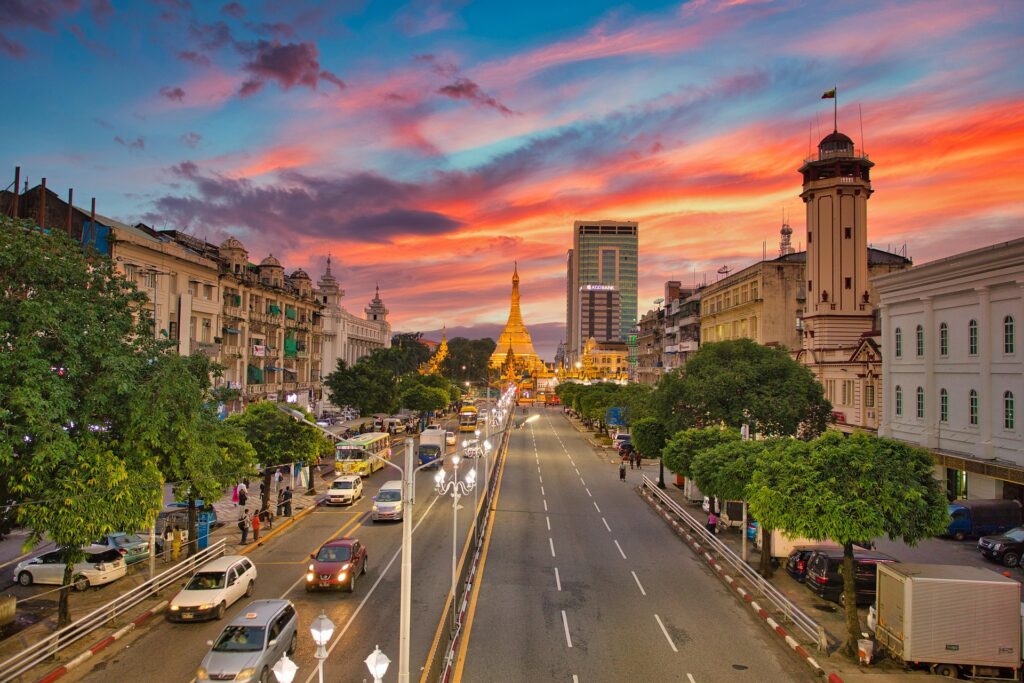
If you’ve ever wandered through Yangon’s Bogyoke Market at dawn, or found yourself lost in the labyrinthine lanes of Mandalay’s Zegyo Bazaar, you’ll know the feeling: that overwhelming, beautiful assault of scent, colour, and sound that tells you, unmistakably, that you are somewhere utterly unlike anywhere else on earth.
Myanmar sits at the crossroads of India, China, and Southeast Asia — and its snack culture is a living, breathing, delicious testament to that fact. Here, traditional Burmese sweets (mont) are not afterthoughts. They are ritual. They accompany offerings at pagodas, they mark weddings and festivals, they appear on every grandmother’s tray and every market vendor’s bamboo basket.
“In Myanmar, you don’t just eat a snack. You eat a conversation, a memory, a prayer, a celebration — all wrapped in banana leaf and dusted with coconut.”
This guide is your passport into that world. Whether you’re planning an Indochina adventure that swings through Bagan, Inle Lake, and Yangon, or you’re simply a curious food lover hungry for the road less travelled — pull up a low stool at a street-side stall, and let’s eat.—–Chapter One: The Building Blocks: What Makes Burmese Snacks Unique?
Unlike the chilli-forward snack cultures of neighbouring Thailand and Vietnam, Myanmar’s traditional treats lean heavily into sweetness, texture, and umami warmth. The holy trinity of Burmese snack ingredients is everywhere you look: palm sugar (htanyet), glutinous rice (kauk hnyin), and fresh grated coconut (ohn thi).
Palm sugar — harvested from toddy palms that line the dry plains of Bagan and Mandalay — is the soul of Burmese confectionery. It’s darker and more complex than refined white sugar; it tastes of caramel, molasses, and something almost smoky, like sunbaked earth after rain. You’ll see it pressed into hard amber blocks, melted into liquid gold glazes, and stirred into every conceivable rice-based mixture.
Glutinous rice provides the sticky, satisfying chew that defines so many Burmese mont. Steamed, pounded, fried, or moulded, it is the canvas upon which Burmese confectioners paint their most inventive creations. And coconut — fresh, toasted, sweetened, or mixed with salt — appears as garnish, filling, and flavoring in equal measure.A Note on “Mont”
The Burmese word mont (မုန့်) encompasses everything from cakes and puddings to fritters and dumplings. It’s a gloriously broad category, and navigating it is one of the great pleasures of eating your way through Myanmar. Think of it less as a menu and more as an entire culinary universe.Burmese Snack Guide01. Palm Sugar Jaggery Blocks
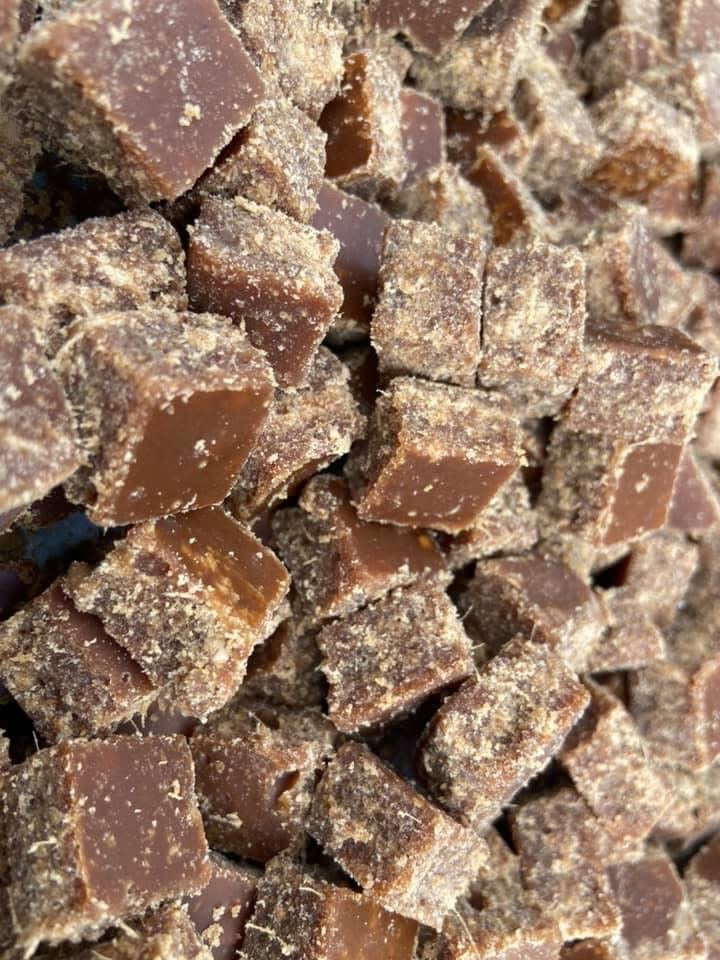
Htanyet Mont (ထန်းလျက်မုန့်)
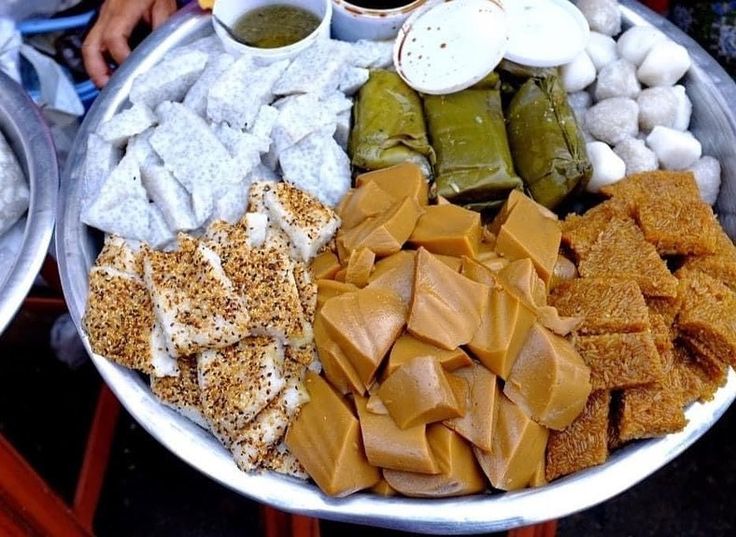
The queen of Burmese sweets. Pressed into golden amber cubes, this pure solidified palm sugar is intensely savored — deep, smoky caramel with a fudge-like texture. Mandalay’s version is especially prized; it crumbles slightly at the edges but holds its shape like precious amber. Eat it alone, dissolve it in tea, or use it to sweeten everything.02. Sesame Rice Cakes
Htoe Mont (ထိုးမုန့်)
Flat, round, and dusted with black and white sesame seeds, these pan-toasted rice cakes are a staple of morning markets nationwide. Crisp at the edges, pillowy at the centre, with a faint sweetness and a deeply nutty fragrance from the toasted sesame. They’re eaten for breakfast, as a temple offering, and as a mid-afternoon pick-me-up with Burmese tea.03. Sticky Rice Donuts in Caramel
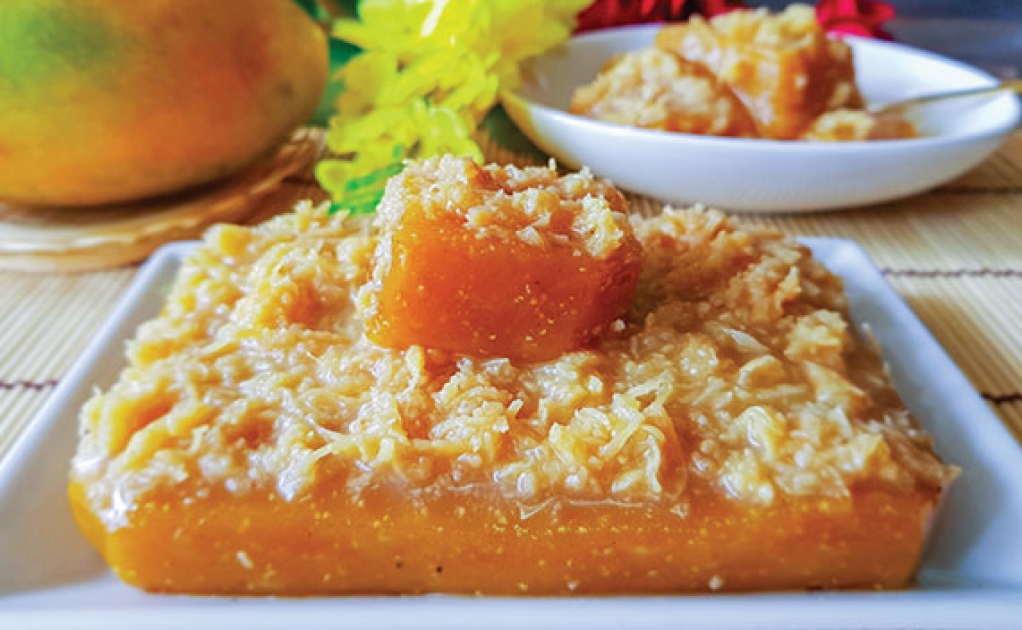
Mont Kywe The (မုန့် ကျွဲသည်)
Perhaps the most photogenic snack in all of Myanmar. Ring-shaped glutinous rice cakes, glazed in a thick, burnished palm sugar caramel that hardens to a lacquer-like finish. The chew is extraordinary — dense, elastic, intensely sweet, with that smoky palm sugar note cutting through.04. Assorted Mont Platter
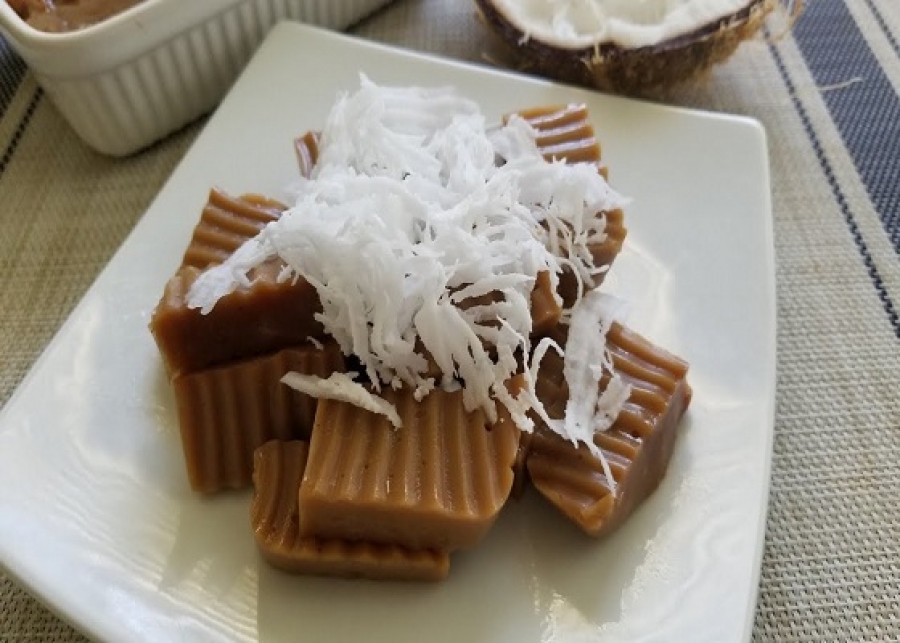
Mont Pyit Taing (မုန့် ပစ်တိုင်း)
At pagoda offerings and traditional festivals, you’ll find the magnificent mont platter — a curated spread of multiple snack types arranged together. Expect banana-leaf wrapped sticky rice parcels, white rice flour discs, coconut jelly cubes, sesame crackers, and tamarind-sweet-sour wafers all share the same tray. It’s Myanmar’s answer to dim sum.05. Market Spread: Rice & Roots
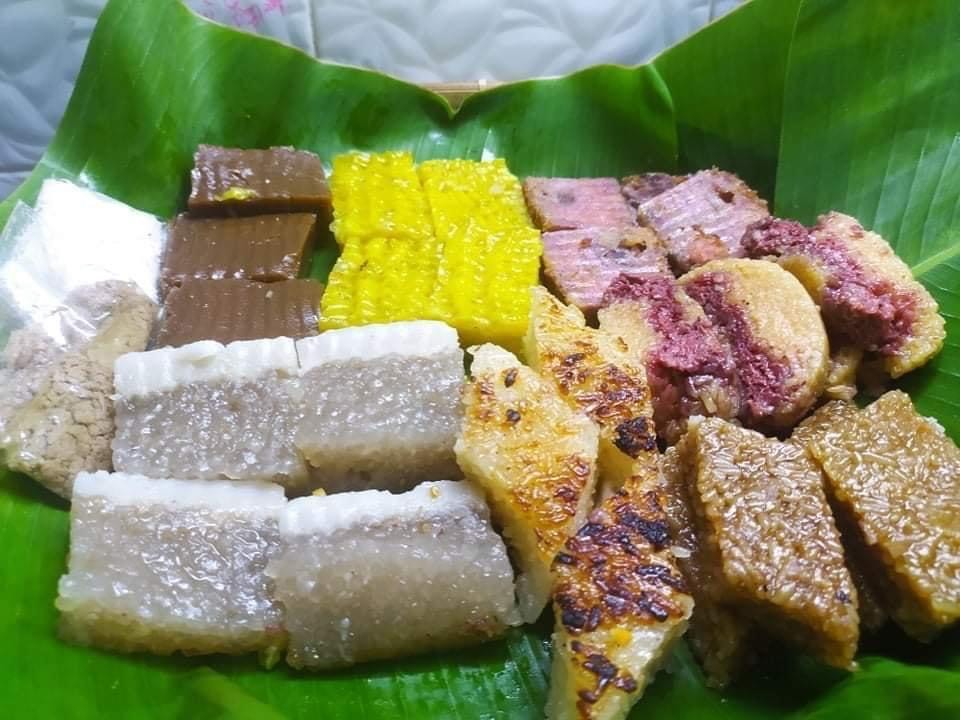
Zay Mont (စျေးမုန့်)
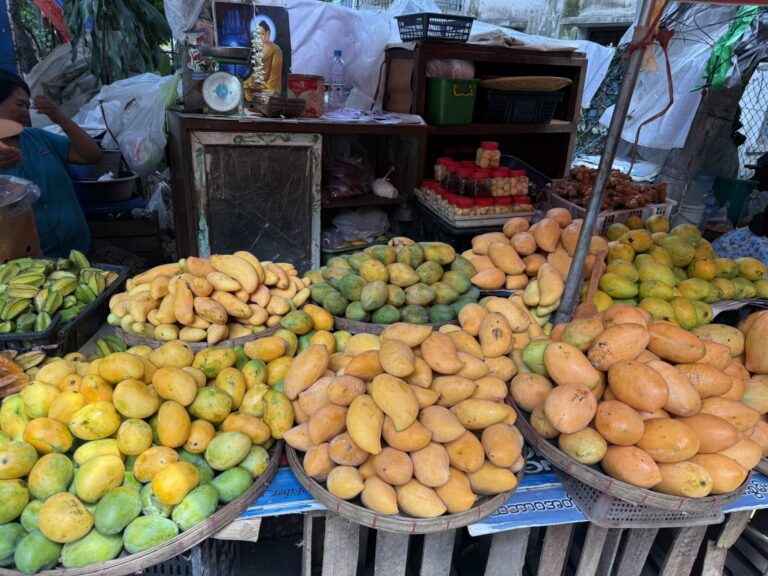
Wander any Burmese market and you’ll find the iconic morning spread: mounds of freshly grated coconut, purple and white sweet potatoes, crunchy fritters, bamboo-steamed parcels, and toasted rice in brown paper cones. It is street food as a way of life.06. Caramel Spiral Cakes
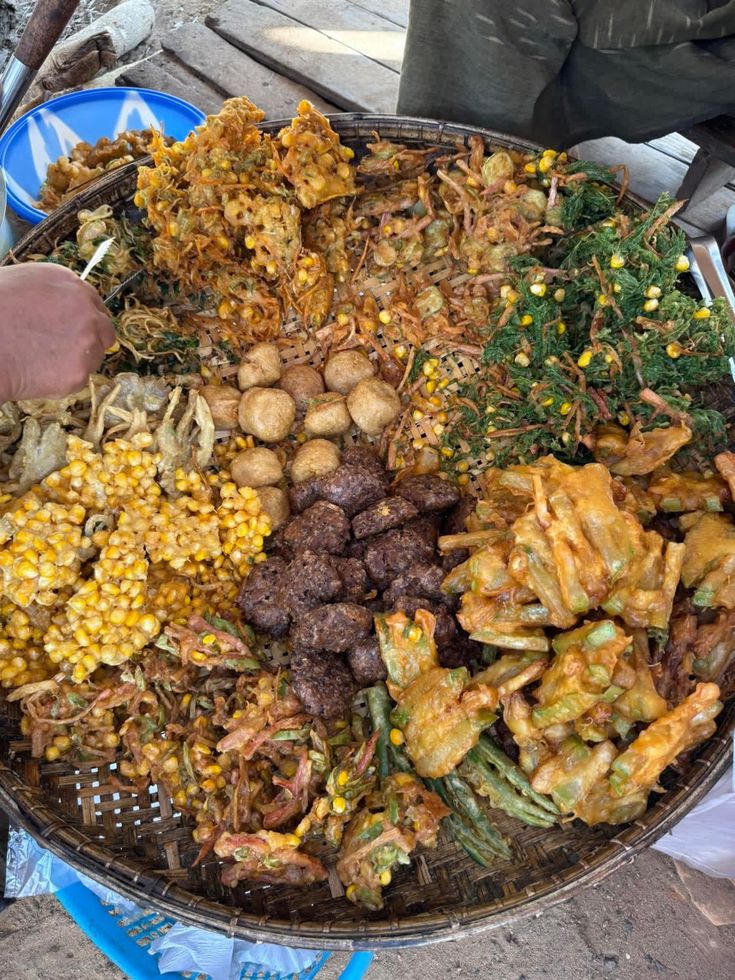
Mont Hnyin Baung (မုန့်နှင်းဘောင်း)
A newer evolution of the classic caramel ring, these spectacular spiral-shaped rice cakes are glazed in vivid amber palm sugar toffee and packed in individual paper boxes — the Burmese answer to luxury patisserie. The spiral shape maximizes caramel coverage and visual drama.Why Myanmar’s Sweets Will Ruin You for Everything Else
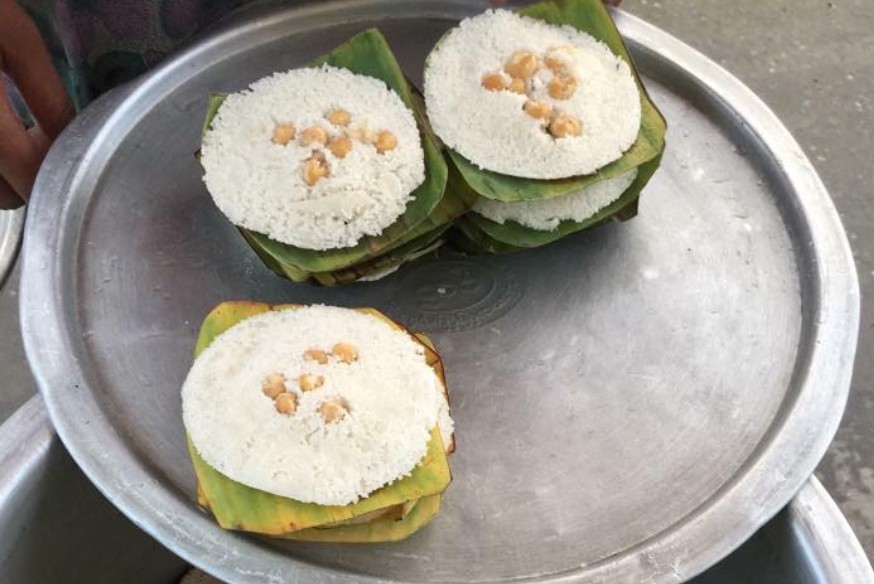
There is something in the alchemy of palm sugar, glutinous rice, and open-flame caramelisation that produces a flavour profile entirely unlike anything you’ve encountered before. Rich without being heavy. Sweet without being cloying. It is, quite simply, one of the great undiscovered food cultures on earth.—–
Chapter Two: Where to Find the Best Snacks in Myanmar
The good news: great Burmese snacks are everywhere. The better news: seeking them out leads you to some of the most authentic, unmissable corners of the country. Here’s where to start your edible pilgrimage.
- Bogyoke Aung San Market, Yangon
The grand colonial-era market is a paradise of packaged and fresh mont. Arrive before 10am for the widest selection. Look for the stalls selling boxed caramel spiral cakes — they make perfect edible souvenirs. - Zegyo Bazaar, Mandalay
Legendary for its palm sugar products. The htanyet blocks sold here are shipped across the country and considered the finest in Burma. The morning snack vendors who set up outside the market’s eastern entrance are unmissable. - Nyaung U Market, Bagan
Bagan’s local market offers a window into rural Burmese snack culture. The palm toddy wine sellers share stalls with mont vendors. Buy your sesame rice cakes here and eat them sitting in the shade of a thousand-year-old pagoda. - Inle Lake Floating Market, Shan State
Every five days, a different village on Inle Lake hosts the rotating market. The Shan people bring their own snack traditions — including fermented tea leaf snacks (lahpet) and unique Shan-style rice cakes subtly different from their Bamar counterparts. - 26th Street Food Lane, Yangon
Yangon’s famous night food street comes alive after dark. Vendors sell traditional mont alongside modern interpretations. It’s here you’ll find the crossover snacks — Burmese classics meeting Chinese and Indian influences.
“The best travel advice anyone ever gave me about Myanmar: budget an extra hour every morning. Not for temples. For snacks.”—–

Chapter Three: Snack Etiquette & Cultural Context
In Myanmar, snacks carry deep cultural meaning beyond simple sustenance. Traditional mont are central to Buddhist merit-making. On full moon festival days (particularly during Thadingyut and Thingyan), Burmese families prepare enormous quantities of mont to offer at local pagodas and distribute to monks. Accepting such food from a local family is a genuine honour — eat it with both hands and always accept more than you think you can manage.
The act of sharing snacks is a primary social language in Myanmar. Vendors regularly offer tastings; it’s considered rude to sample and immediately walk away without acknowledgement. A smile, a nod, and the word “kaun de” (good!) will earn you instant warmth — and probably a second helping.The Lahpet Exception
No guide to Burmese snacking is complete without mentioning lahpet thoke — fermented tea leaf salad. Technically a salad rather than a sweet, lahpet occupies a unique position as Myanmar’s national snack: sour, bitter, caffeinated, crunchy with sesame seeds and peanuts, and utterly addictive.Traveller’s Snack Guide: Essential Tips
- Visit markets between 6am and 10am — this is peak snack hour. Many vendors sell out by mid-morning.
- Carry small denomination kyat notes (500K and 1000K) — most street snack vendors don’t make change for large bills.
- Snacks wrapped in banana leaf or bamboo stay fresh longest; avoid anything unwrapped sitting in direct sun.
- Seek out stalls with the longest queues of local customers — this is the universal signal of quality.
- Palm sugar products keep well and make excellent souvenirs — htanyet blocks wrapped in plastic travel beautifully.
- If you have a sensitive stomach, stick to fried or freshly steamed snacks and avoid cold items that may have sat out.
- Ask your guesthouse host which mont they grew up eating — personal recommendations lead to hidden gems.
Chapter Four: Myanmar Snacks as a Gateway to Understanding Burma
The food — specifically, the snacks — gets closer to the truth of daily Burmese life than any pagoda visit. In a bowl of mont lone yay paw (white sesame rice balls floating in a sugary broth), you taste the simplicity and beauty of a culture that finds profound pleasure in modest things. In the amber architecture of a perfectly moulded palm sugar block, you see the artistry that Burmese craftspeople bring to everything they touch.
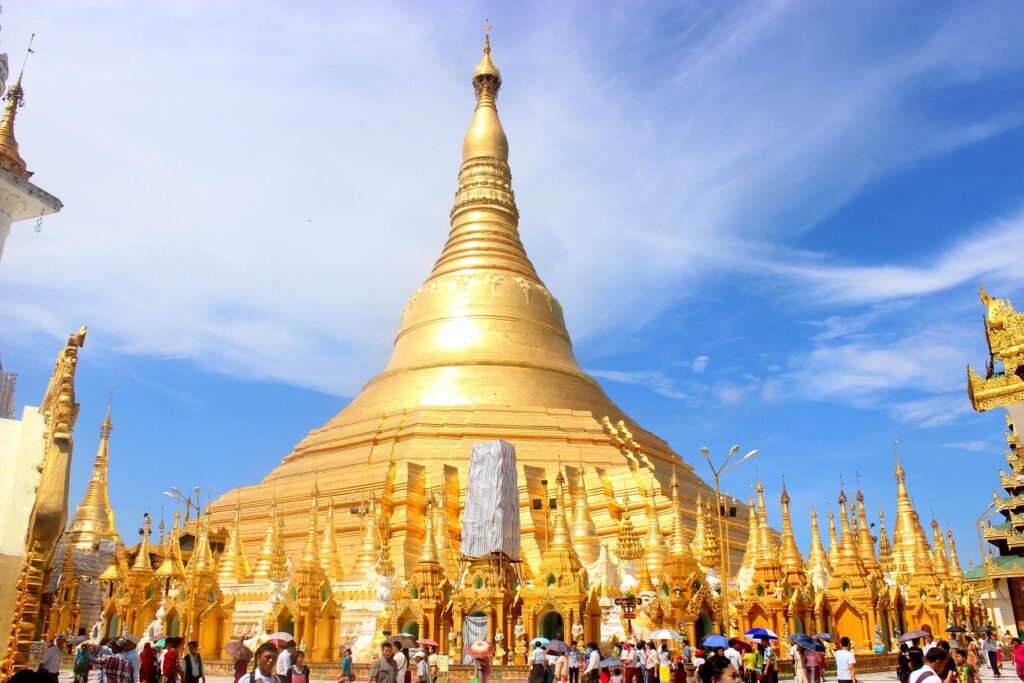
Myanmar is changing rapidly. The traditional snack culture — so painstakingly preserved across centuries — is slowly being supplemented by international fast food chains in the cities. All the more reason to seek it out now, to eat it hungrily and gratefully, and to tip the grandmother at the market stall more than the listed price.
She has been making that same mont since before you were born, using techniques passed down through seven generations. The least you can do is eat it slowly, savour every bite, and tell her it’s the best thing you’ve ever tasted.
Because it almost certainly will be.